Building Artificial Roof That Integrates Appeal and Weather Condition Resistance
The roofing discussion has changed quite a bit over the last decade. Homeowners still care about visual allure, resale value, and exactly how a roof matches block, rock, stucco, or cedar exterior siding. But weather has actually come to be a much larger component of the decision. Hail storm, freeze-thaw cycles, hefty rain, wind uplift, ice dam risk, and increasingly sharp temperature level swings have actually pressed several customers to look beyond standard materials. That is where architectural synthetic roof covering has earned genuine attention.
For the right home, an artificial roof can provide an appearance that really feels upscale and traditionally appropriate while handling rough conditions with even more consistency than lots of all-natural products. I have actually seen property owners fall in love with the look of slate or hand-split cedar shake, then step back once they comprehend the weight, upkeep needs, and installation intricacy. Premium artificial roof typically gets in the photo at precisely that minute, when appearance still matters, however performance begins to drive the decision.
This is particularly true in markets with 4 distinct seasons and demanding storm patterns. In places where winter months can be punishing and summertime storms hit hard, property owners desire a roof that looks refined without ending up being an upkeep job every couple of years. That balance, charm plus durability, is the reason synthetic roofing systems have actually relocated from niche alternative to significant contender.
Why synthetic roofing has obtained traction
Traditional roof covering materials still have their place. Natural slate stays one of the most attractive roof covering products ever made use of on a house. Cedar shake has warmth and dimension that is hard to duplicate. Clay tile brings distinct personality. However each of those products comes with compromises. Weight is often the first concern. Fragility, upkeep, specialized labor, and repair matching are close behind.
Architectural artificial roof covering was established to address those issues without producing a level, plastic-looking result. The much better products on the market are built with deep texture, varied edges, and color blends that simulate all-natural materials surprisingly well from the road and, sometimes, from simply a few feet away. Not all items are equal, and experienced eyes can tell the difference between entry-level and exceptional synthetic roofing. Still, the top rate has come a long way.
Homeowners checking out property synthetic roof covering are usually attempting to address among 3 issues. They desire the look of slate or shake without the architectural load. They desire a more weather-resistant alternative to wood. Or they are changing a roofing system on a custom-made home and desire something that fits the style without locking themselves into fragile materials.
That last classification is growing. Synthetic roof covering for luxury homes is no longer treated as a compromise. On several homes, it is the intentional choice.
The visual allure is a lot more innovative than lots of expect
One of the biggest false impressions about synthetic roofing shingles and ceramic tiles is that they all look certainly produced. Some do. Typically, those are lower-cost products with repeated patterns, shallow structure, and shade that really feels painted on instead of integrated right into the item. But well-crafted building artificial roof is different.
Manufacturers currently build products with staggered widths, shadow lines, molded grain patterns, and varied edge treatment that create an even more natural roofscape. That matters greater than individuals realize. An attractive roofing system is not just about color. It has to do with deepness, rhythm, and small disparity. Natural products have blemishes, and excellent synthetic style recognizes that.
On a big home, especially one with prominent roof covering airplanes, dormers, turrets, or high inclines, aesthetic rep can wreck the effect. A premium artificial roofing item stays clear of that toy-like uniformity. I have seen synthetic slate on homes with limestone exteriors where visitors presumed it was quarried stone until they were informed otherwise. I have actually additionally seen artificial shake on transitional and French country homes that protected the heat of cedar without the same vulnerability to moisture biking and splitting.
The secret is matching the product to the architecture. An artificial slate profile may be optimal for a Tudor, Colonial, or rock estate home. A shake profile commonly functions better on craftsman, lake-style, rustic, and particular modern custom-made homes. The roof should enhance the home's design language, not compete with it.
Performance matters most when the climate turns bad
A roof covering can look superb on a sunny afternoon and still fail where it counts. The actual examination comes throughout wind-driven rain, freeze-thaw cycles, and impact events. This is where lots of synthetic roofing systems differentiate themselves.
Quality artificial materials are normally crafted to withstand cracking, moisture absorption, and impact damage better than many natural options. That does not imply every product is indestructible. It suggests the material is created with activity, temperature variant, and effect resistance in mind. In cool climates, that flexibility can be a significant advantage. Weak materials do not forgive much when temperatures drop.
In the Chicago region, this shows up regularly. House owners looking for synthetic roof Chicago options are commonly balancing visual goals with sensible problems concerning hail storm, winter months snow load, flashing efficiency, attic room air flow, and ice monitoring. A stunning roofing that does not integrate well with these facts is not a premium option, regardless of what the sales brochure says.
I have walked roof coverings in late wintertime where the product itself was still in good shape, however the system had actually endured due to the fact that details were rushed. Valley metal was undersized. Ice and water membrane insurance coverage was marginal. Ridge vent intake balance was bad. Pipeline flashings were low quality. Synthetic roof installation does well when the installer treats the roofing system as a complete setting up, not just a field of ornamental pieces.
That is one factor picking the appropriate artificial roofer matters as high as choosing the material.
Lightweight does not mean light duty
One of one of the most useful benefits of synthetic roofings is weight. Natural slate is hefty sufficient that some homes require architectural testimonial or reinforcement before installment. That can include cost and intricacy quickly. Artificial choices can frequently attain a comparable aesthetic result at a fraction of the weight.
For older homes or improvements where the existing framework is sound but not overbuilt, this matters. It can make a synthetic roof replacement viable where all-natural slate would certainly be impractical. It can additionally minimize strain on framework gradually. That does not indicate weight is the only design variable, but it is a substantial one.
Lightweight products additionally tend to simplify transportation, hosting, and handling on the jobsite. That can reduce damage throughout installment and make sure architectural problems much easier to handle. On high roof coverings with cut-up geometry, chimneys, valleys, and brow details, installer control issues. An item that can be worked easily without continuous breakage aids preserve routine and coating quality.
The setup is where good objectives either stand up or fail
A polished sample board can make nearly any type of roof covering product appearance appealing. What separates a sturdy roof from a pricey frustration is execution. Synthetic roofing installers need to comprehend design, exposure, fastening needs, accessory compatibility, ventilation, drainage planes, and local climate demands.
That appears standard, yet not every synthetic roof business comes close to the deal with the very same level of self-control. Some staffs have strong asphalt tile experience yet limited experience with synthetic slate or drink systems. Others understand how to set up the field material however pay inadequate interest to changes, penetrations, and edge details. Those are the places where leakages generally begin.
An appropriate artificial roof setup starts prior to the initial item goes on the roof covering. The outdoor decking has to be evaluated. Rotten or delaminated sheathing should be changed. Underlayment option should fit the home, the slope, and the climate. In colder areas, membrane protection at eaves and valleys deserves special attention. Flashing details need to be prepared, not improvised.
The cleanest tasks normally share a couple of habits:
- The installer adheres to the maker's securing pattern and direct exposure standards exactly.
- The team mixes item from several packages or pallets to stay clear of shade blocking.
- Flashings, valleys, hips, ridges, and penetrations are treated as aesthetic details in addition to waterproofing details.
- Ventilation is evaluated as component of the roof, not left as an afterthought.
- Final punch work consists of close examination of trim lines, seal points, and jobsite cleanup.
That might seem uncomplicated, however these are the information clients remember years later. A roof https://shaneiuij827.urbanvellum.com/posts/costs-synthetic-roof-covering-for-homes-revealed-to-snow-hail-and-warmth covering can execute well and still look sloppy if training courses wander, flashings feel large, or ridge information are improperly proportioned. On a customized home, those problems are very easy to spot.
What property owners need to find out about longevity and maintenance
Many purchasers discovering synthetic roof tiles desire one straightforward response: how long will it last? The honest solution depends upon the item, the environment, installment quality, air flow, and just how revealed the home is to severe weather condition. It is extra responsible to talk in ranges than absolutes.
Well-made artificial roofing systems are frequently developed for long service life and lower maintenance than wood shake. They typically stand up to rot, insect damage, and much of the moisture-related issues that all-natural wood can deal with with time. Compared with weak all-natural products, many artificial items likewise handle foot traffic and incidental impact much better, though no roof covering ought to be dealt with casually.
Maintenance is typically lighter, not missing. Particles needs to still be removed from valleys. Rain gutters still need focus. Looming branches still create wear and shade-related wetness problems. Sealers and flashings still age. After severe storms, assessments are still wise.
One thing I usually tell home owners is that a low-maintenance roofing system does not suggest a no-observation roofing system. A ten-minute visual check from the ground after a major storm can capture issues early, specifically if a branch dropped or metal trim was affected.
Cost, value, and where the math makes sense
Synthetic roof covering is not the bargain-bin choice, and it must not be offered that way. Premium artificial roofing normally costs more than typical building asphalt tiles. In many cases, significantly a lot more. But the contrast is frequently wrong from the beginning. Customers typically are passing by between spending plan tiles and artificial slate since the objectives are different.
A much more reasonable contrast is in between artificial roof and all-natural slate, cedar shake, or various other architecturally unique products. In that context, synthetic can use purposeful value. The material may set you back less than the natural version, setup can be extra reliable, architectural upgrades might be prevented, and maintenance needs might be lower over time.
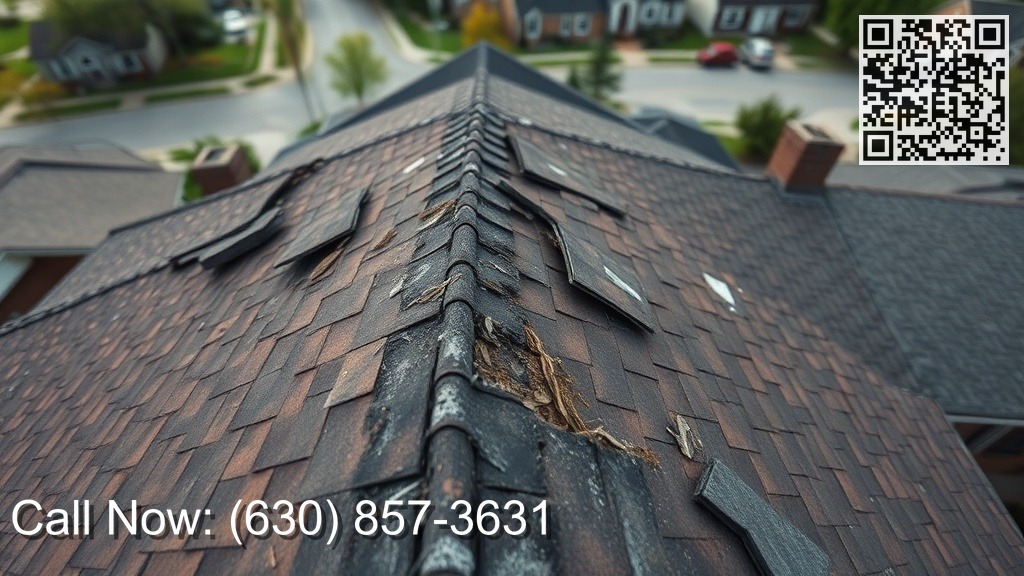
For home owners preparing to remain long-term, that formula typically functions. For luxury resale properties, the aesthetic payback can matter too. A roofing inhabits a massive percentage of the noticeable exterior. It is hard to overstate just how much the right roofing can elevate a home's presence.
Still, compromises exist. If a property owner desires the specific aging pattern, tactile feeling, and historic purity of authentic slate or hand-split cedar, synthetic might not fully change that experience. It can come really close visually, but it is still a made product. For some purchasers, authenticity stays the deciding element. For others, performance wins.
Regional judgment issues, particularly in Chicagoland
Products do not perform in a vacuum. What works wonderfully in a light environment might face different anxieties in the Midwest. That is why property owners looking for a synthetic roofer Chicagoland must focus on regional experience, not simply basic roof covering credentials.
Chicagoland roofs take care of wind, snow, ice, sun exposure, spring tornados, and wide temperature variation. Certain neighborhoods likewise have stricter aesthetic assumptions or house owners association demands. In neighborhoods with bigger custom homes, such as those where synthetic roof covering Naperville IL questions are common, customers commonly desire a roofing system that looks upscale from every angle, consisting of second-story sightlines and surrounding properties.
This is where neighborhood judgment helps. A seasoned service provider can advise on profile choice, shade mix, snow retention considerations, underlayment selections, and ventilation approach that make sense for your home and the location. They can likewise recognize whether the style of the home would certainly benefit from broader direct exposures, much more pronounced shadow lines, or even more controlled detailing.
I have seen homes boost substantially when the owner moved from a common shingle state of mind to a whole-roof design mindset. Product selection became part of the architecture, not just the upkeep budget.
Questions worth asking before you commit
If you are examining an artificial roof covering business, the discussion needs to exceed pamphlets and warranty language. Ask how many similar jobs they have actually finished. Request for addresses or photos of completed homes with building problems comparable to yours. Ask that handles blinking construction, exactly how they handle color blending on website, and whether they check attic room ventilation prior to quoting the job.
A couple of smart inquiries can save a lot of aggravation:
- Is the product meant to simulate slate, shake, or an additional material, and does that fit the design of my home?
- What underlayment, blinking, and air flow upgrades do you recommend for my environment and roof design?
- How does this artificial roof replacement compare in weight and upkeep with the material I have now?
- Who will manage the installment, and does the crew have specific experience with this product line?
- What parts of the roof system are most at risk if information are hurried or value-engineered?
A professional artificial roofer must address those inquiries clearly, without dispersing into generic sales language.
The ideal synthetic roofs really feel intentional, not imitative
The strongest jobs do not try to trick everybody into thinking the material is something it is not. Rather, they provide the spirit and visual splendor of slate or cedar while embracing the useful benefits of modern-day design. That distinction matters.
When building synthetic roof covering is succeeded, the result feels cohesive. The lines are clean. The structure fits the home. The color depth sustains the exterior scheme. The roof handles weather with confidence. Years later on, the proprietor still likes considering the house, and they are not bracing for the upkeep shocks that often go along with more fragile natural materials.
That is the real appeal. Charm alone is inadequate, and weather resistance alone is insufficient. Homeowners want both. They want a roofing system that adds to the personality of the home on a clear day and holds its ground in the center of a storm.
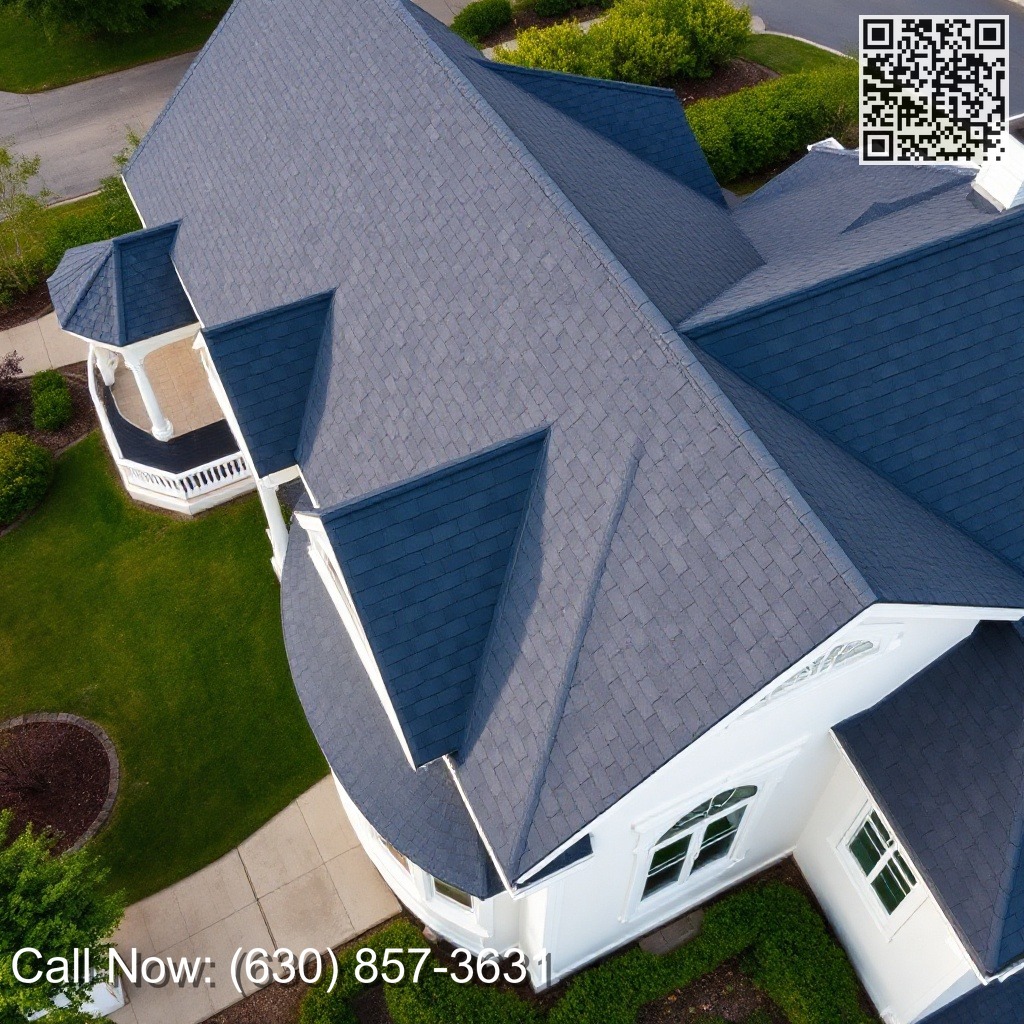
For numerous buildings, especially customized houses and high-visibility remodels, synthetic roofing systems now use among the most balanced answers on the market. With the best item, the right installer, and the ideal attention to system information, they can provide the style people relate to quaint materials and the durability demanded by modern-day weather condition. That combination is not a pattern. It is good structure judgment.
When Quality Matters
Salvo Architectural Roofing Contractors
566 West 5th Ave Naperville, IL 60563
(630) 857-3631
 Ask ChatGPT
 Ask Grok
 Ask Perplexity
 Ask Claude
 Ask Google AI
 Ask You